Betting Explained: How It Works, Key Types, and Smart Participation
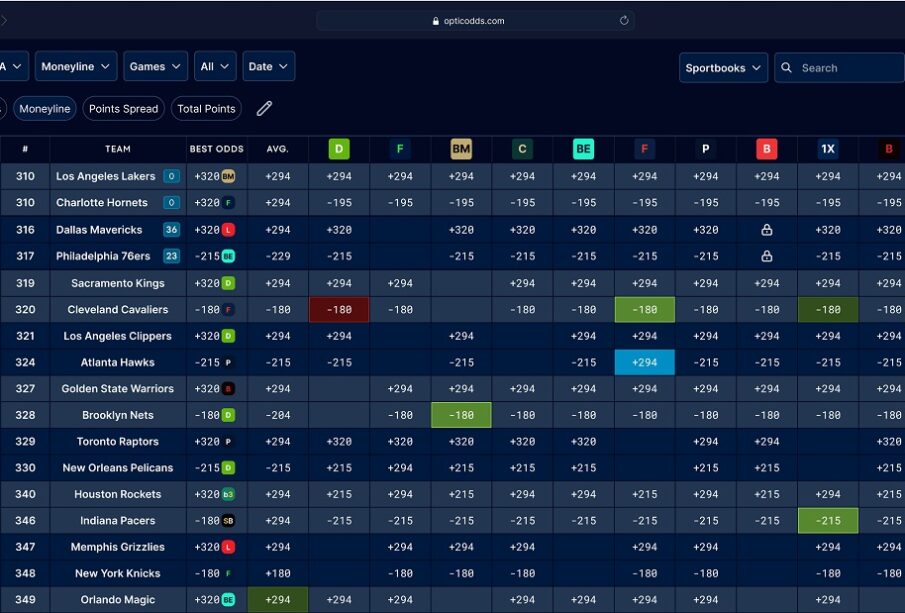
Betting is a structured activity where individuals predict the outcome of uncertain events and risk a set amount of money in return for a potential reward. While commonly associated with sports, betting also extends into casinos, entertainment markets, and digital platforms. Understanding its structure and risks helps ensure it remains a controlled form of entertainment rather than a financial burden.
Understanding the Concept of Betting
At its foundation, betting involves placing a wager on an outcome that has not yet occurred. If the prediction is correct, the bettor receives a payout based on predefined odds. If incorrect, the wagered amount is lost.
Betting outcomes are influenced by:
-
Chance
-
Statistical probability
-
Skill and analysis in certain formats
How Betting Systems Operate
Betting platforms calculate odds by analyzing data, public demand, and risk exposure. These odds determine both the implied probability of an outcome and the potential return.
Core elements include:
-
Odds that reflect likelihood
-
Stake representing the wagered amount
-
Return combining stake and winnings
-
Market defining the type of prediction offered
Common Forms of Betting
Sports Betting
Sports betting centers on predicting outcomes in professional and amateur sports. Events range from match results to in-game occurrences.
Popular sports betting markets include:
-
Win or draw outcomes
-
Handicap betting
-
Total goals or points
-
Live betting during events
Casino Betting
Casino betting is largely chance-based, though some games involve strategic decisions.
Typical casino betting options:
-
Card games
-
Table games
-
Electronic slot games
Digital and Online Betting
Online betting platforms provide access to multiple betting formats from a single interface. Mobile access and real-time updates have made online betting widely accessible.
Betting Odds Explained Simply
Odds express the relationship between risk and reward. They show how much a bettor stands to gain relative to their stake.
Common odds formats include:
-
Decimal odds for total payout clarity
-
Fractional odds emphasizing profit margins
-
American odds highlighting favorites and underdogs
Understanding odds helps bettors make informed decisions rather than emotional ones.
Potential Risks of Betting
Despite its appeal, betting carries inherent risks that should be acknowledged.
Key risks include:
-
Consistent financial losses
-
Dependence or compulsive behavior
-
Overconfidence after short-term wins
-
Stress linked to chasing losses
Awareness is the first step toward prevention.
Principles of Responsible Betting
Responsible betting prioritizes enjoyment and control over profit expectations.
Effective practices include:
-
Setting spending limits
-
Separating betting funds from essential expenses
-
Avoiding betting under emotional pressure
-
Stopping when betting feels stressful
Using platform tools such as deposit limits can reinforce healthy habits.
Legal Landscape of Betting
Betting legality varies across regions, with regulations designed to protect consumers and ensure fair play.
Important considerations:
-
Licensing of operators
-
Age verification requirements
-
Local restrictions or bans
-
Tax obligations on winnings
Understanding the legal framework reduces unnecessary risks.
Strategy Versus Luck in Betting
While luck plays a role, informed betting decisions rely on preparation and discipline rather than prediction systems.
Strategic considerations involve:
-
Researching data and trends
-
Comparing odds across platforms
-
Maintaining long-term budgeting discipline
-
Accepting losses as part of the process
No approach eliminates risk entirely.
FAQs About Betting
Is betting the same as gambling?
Betting is a category within gambling that focuses on predicting event outcomes, while gambling includes broader games of chance.
Can beginners start betting safely?
Yes, beginners can participate safely by starting with small amounts and learning how odds and markets work.
Why do betting odds change?
Odds change due to new information, betting volume, or shifts in market demand.
Are betting promotions risk-free?
Promotions may appear attractive but often include conditions that must be carefully reviewed.
How much money should someone bet?
Only discretionary income that one can afford to lose should be used for betting.
Does research guarantee winning bets?
Research improves decision quality but cannot remove uncertainty or chance.
What are signs of unhealthy betting behavior?
Loss of control, financial stress, and emotional dependence are common warning signs.