Lottery Explained: How It Works, Types, Odds, and Responsible Play
The lottery is one of the most popular games of chance worldwide, attracting millions of players with the promise of life-changing prizes. From small local raffles to massive national jackpots, lotteries combine excitement, hope, and randomness in a way few other games can.
What Is a Lottery?
A lottery is a system where participants purchase tickets for a chance to win prizes, typically cash, based on randomly selected numbers or symbols. Winners are determined through official draws conducted by authorized organizations.
Key characteristics of a lottery include
-
Random selection of winners
-
Paid entry through ticket purchases
-
Predefined prizes, often with a large jackpot
A Brief History of Lotteries
Lotteries are not a modern invention. Historical records show their use as early as ancient China, where they helped fund public projects. Over time, lotteries evolved into structured systems managed by governments and licensed bodies.
Today, lotteries are widely used to
-
Support public welfare programs
-
Fund education, infrastructure, and healthcare
-
Generate revenue without direct taxation
Types of Lotteries
Different lottery formats exist to suit various preferences and budgets.
Traditional Number Draw Lotteries
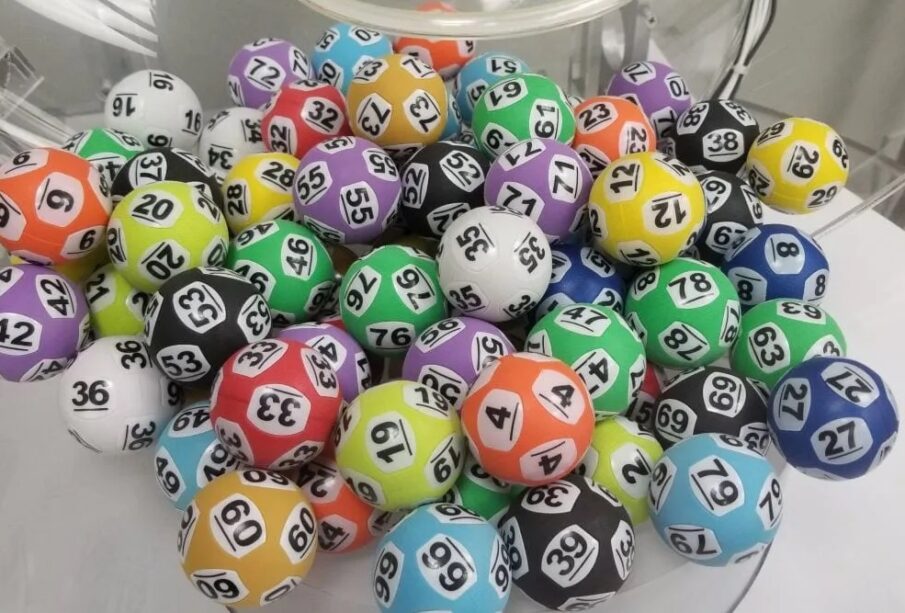
Players choose a set of numbers, and winners match some or all numbers drawn. These often offer the largest jackpots.
Instant Win Lotteries
Also known as scratch cards, these provide immediate results without waiting for a draw.
Online Lotteries
Digital platforms allow players to buy tickets and check results online, increasing accessibility.
Regional and International Lotteries
Some lotteries operate across regions or countries, offering exceptionally large prize pools.
How Lottery Odds Work
Lottery odds are determined by the number of possible number combinations. The more combinations available, the lower the probability of winning the top prize.
Important points to understand
-
Jackpot odds are usually very low
-
Smaller prizes often have better chances
-
Each draw is independent, meaning past results don’t affect future outcomes
Why People Play the Lottery
Despite long odds, lotteries remain appealing for several reasons.
-
The dream of financial freedom
-
Low entry cost compared to potential rewards
-
Social excitement around large jackpot draws
-
The belief that “someone has to win”
Psychologically, the lottery represents hope and possibility, which can be powerful motivators.
Responsible Lottery Play
While playing can be entertaining, responsible participation is essential.
Best practices include
-
Setting a strict budget for tickets
-
Viewing lottery play as entertainment, not investment
-
Avoiding chasing losses
-
Knowing when to stop
Legal and Regulatory Aspects
Lotteries are typically regulated by governments to ensure fairness and transparency. Regulations vary by country and region, covering
-
Age restrictions
-
Licensing of operators
-
Prize claim procedures
-
Taxation on winnings
The Reality of Winning
Winning the lottery can be life-changing, but it also brings challenges. Sudden wealth requires careful planning, including financial advice, tax management, and long-term decision-making.
Frequently Asked Questions (FAQ)
1. Can lottery numbers be predicted using patterns?
No. Lottery draws are random, and past results do not influence future draws.
2. Are online lottery tickets as valid as physical ones?
Yes, as long as they are purchased from authorized and licensed platforms.
3. Do lottery winnings get taxed?
In many countries, winnings are subject to taxes, though the rules vary by jurisdiction.
4. Is it better to play alone or in a group?
Group play increases the chance of winning a prize but reduces the individual payout.
5. What happens if a lottery prize is not claimed?
Unclaimed prizes are usually redirected to public funds or future lottery draws.
6. Are lotteries fair?
Licensed lotteries are designed to be fair and transparent, with strict regulatory oversight.
7. How long do winners have to claim their prize?
Claim periods differ by lottery and can range from a few months to over a year.